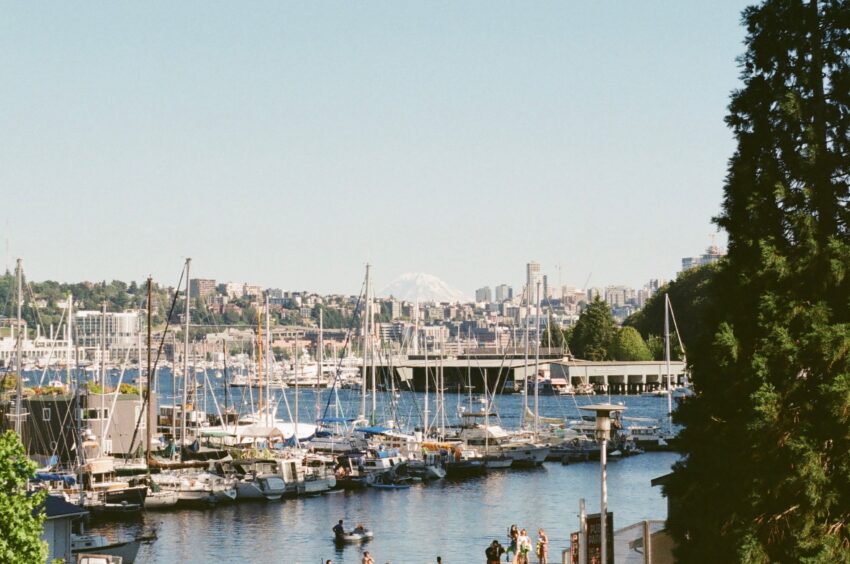
Seattle is a city where urban life and the outdoors exist side by side. Surrounded by water, mountains, forests, and parks, the Emerald City gives residents and visitors countless opportunities to step outside and enjoy nature. Whether you prefer hiking through evergreen forests, kayaking across calm waters, cycling along scenic trails, or simply relaxing in a beautiful park, Seattle offers an outdoor activity for nearly every interest and experience level.
One of the city’s greatest advantages is its location. Puget Sound borders Seattle to the west, Lake Washington stretches along its eastern side, and the Cascade and Olympic mountain ranges provide dramatic scenery beyond the city. With so many natural resources nearby, outdoor recreation can become part of almost any Seattle itinerary.
Hiking in and Around Seattle
Hiking is one of the easiest ways to experience Seattle’s natural beauty. Within the city, parks such as Discovery Park provide trails, wooded areas, open meadows, and waterfront scenery. The park’s extensive trail network makes it possible to enjoy a substantial outdoor excursion without leaving Seattle.
For more challenging adventures, hikers can venture beyond the city. The Issaquah Alps, located east of Seattle, offer numerous trails through forests and hills. Popular destinations include Cougar Mountain, Squak Mountain, and Tiger Mountain. These areas provide a variety of routes, from relatively gentle walks to strenuous climbs.
Further afield, the Cascade Mountains offer even more dramatic hiking opportunities. Mount Si near North Bend is among the region’s best-known hikes, while the Alpine Lakes Wilderness provides access to alpine lakes, rugged peaks, and backcountry scenery.
Hikers should always check trail conditions before heading out, particularly during winter or early spring. Weather can change quickly in the mountains, and conditions at higher elevations may differ considerably from those in Seattle.
Exploring Seattle’s Parks
You do not need to leave the city to enjoy outdoor recreation. Seattle has an impressive collection of parks that provide opportunities for walking, picnicking, photography, sports, and relaxation.
Green Lake Park is especially popular for walking, jogging, and cycling. Its paved loop around the lake makes it accessible for people with different fitness levels, while the surrounding neighborhood provides restaurants and other amenities.
Washington Park Arboretum is another excellent destination. Its collection of trees and plants creates a peaceful environment for walking and nature observation. The park is especially appealing to photographers and anyone interested in gardening or botany.
Gas Works Park offers a completely different experience. Located on the north shore of Lake Union, it combines industrial history with open recreational space and views of the Seattle skyline. It is a popular location for picnics, kite flying, and watching boats move across the lake.
Kayaking and Paddle Sports
With Puget Sound, Lake Washington, Lake Union, and numerous waterways nearby, Seattle is an excellent destination for paddling.
Kayaking provides a unique perspective on the city. From the water, paddlers can see waterfront neighborhoods, bridges, boats, parks, and the skyline from a completely different angle. Lake Union is particularly convenient for urban paddling, while Lake Washington provides opportunities to explore a larger body of water.
Puget Sound offers more expansive adventures, but conditions can be more demanding. Tides, currents, wind, cold water, and boat traffic are all important considerations. Beginners may want to start with a guided excursion or a calm inland lake before attempting more challenging saltwater routes.
Stand-up paddleboarding is another popular option during warmer months. Many rental businesses around the region offer equipment for people who want to try the sport without purchasing their own board.
Cycling Through the Emerald City
Seattle’s hills can make cycling challenging, but they also provide access to rewarding routes and scenic destinations. The Burke-Gilman Trail is one of the region’s best-known multi-use paths, stretching through several communities and offering a relatively accessible way to explore the area by bike.
Cyclists can also connect with routes around Lake Washington and Lake Union. For a more relaxed experience, recreational riders can choose flatter waterfront paths or park trails.
Mountain bikers have plenty of options outside the city. The surrounding forests contain extensive trail systems with terrain ranging from beginner-friendly paths to technically demanding routes.
Regardless of where you ride, wearing a helmet, carrying water, and understanding trail etiquette are essential. On shared paths, cyclists should be prepared to encounter pedestrians, runners, and other riders.
Beaches and Waterfront Recreation
Seattle may not immediately come to mind as a beach destination, but the city has numerous waterfront areas where people can enjoy the outdoors.
Alki Beach is one of the most recognizable. Its shoreline provides views across Elliott Bay toward downtown Seattle, making it a popular location for walking, biking, picnicking, and watching sunsets.
Golden Gardens Park offers sandy beach areas, trails, wetlands, and views of Puget Sound. It is particularly appealing for people looking for a combination of waterfront scenery and park activities.
While Seattle’s beaches can be beautiful, the water remains cold for much of the year. Anyone entering Puget Sound should understand local conditions and recognize that cold water can create serious risks.
Camping and Weekend Adventures
Seattle is an excellent base for camping trips. Within a relatively short drive, outdoor enthusiasts can reach forests, lakes, mountains, and coastal environments.
The Olympic Peninsula offers opportunities to explore Olympic National Park, where visitors can experience rainforests, mountains, lakes, and Pacific Ocean beaches. The Cascade region provides another collection of camping destinations, including areas near mountain trails and alpine lakes.
Camping options range from established campgrounds with amenities to more primitive backcountry sites. Reservations may be necessary during busy periods, so planning ahead is particularly important for summer weekends.
For anyone new to camping, starting at an established campground can make the experience easier. Once you become comfortable with equipment, cooking outdoors, and campsite preparation, you can consider more remote adventures.
Winter Recreation Near Seattle
Seattle’s outdoor recreation does not end when temperatures fall. In fact, winter opens the door to a completely different range of activities.
The Cascade Mountains provide opportunities for skiing, snowboarding, snowshoeing, and winter hiking. Destinations such as Snoqualmie Pass are relatively accessible from Seattle, making mountain recreation possible as a day trip.
Winter travel requires additional preparation. Mountain roads can become snowy or icy, and weather conditions can change rapidly. Drivers should check forecasts and road conditions before leaving the city, while hikers and snowshoers should carry appropriate clothing, navigation equipment, and emergency supplies.
Wildlife and Nature Watching
Seattle’s natural surroundings support a surprising variety of wildlife. Birdwatchers can find opportunities throughout city parks, wetlands, shorelines, and forests. The region is home to bald eagles, herons, owls, waterfowl, and many other species.
Marine wildlife can also be observed around Puget Sound. Depending on location and season, visitors may encounter seals, sea lions, porpoises, and whales.
Wildlife watching should always be approached responsibly. Keep a respectful distance, avoid feeding animals, and follow local regulations designed to protect wildlife and their habitats.
Preparing for Seattle’s Outdoors
Seattle’s reputation for rain is well deserved, but the weather should not prevent you from exploring. The key is preparation. Waterproof or water-resistant clothing, comfortable footwear, and layers can make outdoor activities much more enjoyable.
It is also wise to carry basic essentials such as water, snacks, navigation tools, a first-aid kit, and extra clothing when heading into more remote areas. Tell someone where you are going when embarking on a longer adventure, and check weather and trail conditions before departure.
Making the Most of Seattle’s Outdoor Lifestyle
The beauty of outdoor recreation in Seattle is its variety. You can spend a morning walking around Green Lake, paddle across Lake Union in the afternoon, and watch the sunset from Alki Beach in the evening. On another weekend, you can trade the city skyline for a mountain trail, alpine lake, or forest campsite.
Whether you are an experienced adventurer or someone who simply wants to spend more time outside, Seattle makes it easy to find an activity that fits your lifestyle. Its parks, waterways, forests, and mountains provide endless opportunities for exploration.
Ultimately, outdoor recreation in Seattle is not limited to one season, one activity, or one type of traveler. It is a year-round invitation to experience the Pacific Northwest. With thoughtful preparation and a spirit of adventure, Seattle’s natural surroundings can provide memorable experiences just minutes from the city or through a longer journey into the wilderness.
Generated by ChatGPT